

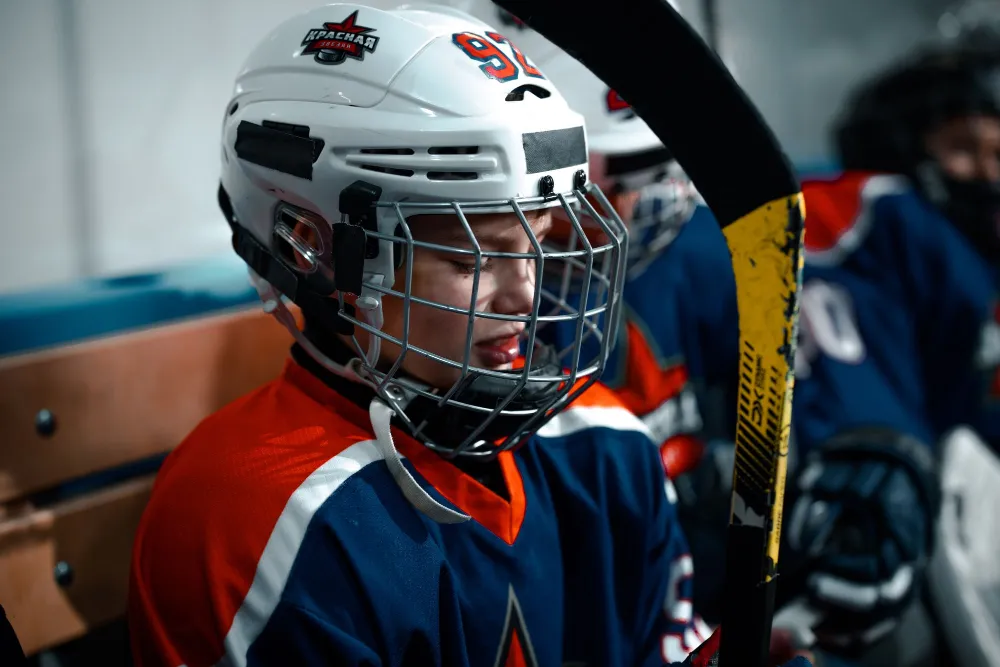
Hockey, football, and other contact sports expose athletes to impacts that can damage teeth, injure the lips and cheeks, or cause other oral injuries. A sports mouthguard provides an important layer of protection, but not all guards fit equally well. If a mouthguard feels bulky, shifts during movement, or requires constant clenching to stay in place, an athlete may be tempted to remove it during practice or competition. Having a consultation with a dentist in Grande Prairie can help you understand the differences between store-bought, boil-and-bite, and custom-fitted options. Although no mouthguard can prevent every injury, choosing an appropriate design and wearing it consistently can help reduce the risk of dental trauma.
What Makes a Mouthguard Effective?
A sports mouthguard should fit securely over the teeth, remain in position during activity, and allow comfortable breathing and communication. It should also provide suitable coverage without causing unnecessary irritation or pressure.
Custom mouthguards in Grande Prairie are made using digital scans of an individual’s teeth. This personalized approach can offer a more precise fit than a generic guard, although the level of protection depends on the design, material, and intended use.
Mouthguards can help reduce the risk of injuries to the teeth and surrounding soft tissues. However, they do not eliminate dental injuries or prevent all concussions. Athletes should continue using the helmets, face protection, and other safety equipment required for their sport.
Stock, Boil-and-Bite, and Custom-Fitted Guards
Different mouthguard types offer different levels of fit and adjustability. Understanding their limitations can help athletes choose a suitable option.
- Stock Mouthguards: These come in pre-formed sizes and offer little opportunity for adjustment. A poor fit may cause the guard to shift or require constant clenching to keep it in place.
- Boil-and-Bite Mouthguards: These soften in hot water and are moulded around the teeth at home. They can provide useful protection when prepared according to the manufacturer’s instructions, but the result depends on the moulding technique. Improper preparation can result in an uneven, loose, or uncomfortable fit.
- Custom-Fitted Mouthguards: These are made to fit the individual’s teeth and can be designed to address specific dental needs. They often provide better retention and comfort, which may make consistent use easier. However, they still require proper care and periodic checks to ensure they remain suitable.
Boil-and-bite guards are not automatically ineffective, and custom guards do not guarantee complete protection. The most appropriate choice depends on the athlete’s needs, the sport’s requirements, and how well the guard fits and functions.
Why Does Mouthguard Fit Matter?
A mouthguard that slips or feels uncomfortable can distract an athlete during play. Excessive bulk may interfere with speaking, while a loose guard may encourage clenching or repeated adjustment. These problems can make it harder to wear the guard consistently.
A guard should not feel so loose that it repeatedly falls out of position, nor should it cause persistent soreness or pressure. If it becomes uncomfortable or no longer stays in place, have it evaluated rather than attempting to reshape it in a way that could compromise its fit.
Seeking medical advice from a dentist near you will help determine the fit, coverage, condition, and suitability for the athlete’s current dental alignment.
Children, Teens, Braces, and Changing Teeth
A mouthguard that fits a child at the beginning of a season may not fit as well several months later. Jaw development, the emergence of permanent teeth, and changes in tooth alignment can affect how securely the guard fits.
Braces require additional consideration because brackets and wires can change the shape of the mouth and may be vulnerable to pressure. Athletes with orthodontic appliances should use a design that accommodates them rather than forcing a standard guard over the brackets.
Check the mouthguard before each season and whenever dental alignment changes significantly. Signs that it may need replacement include:
- Tears, cracks, or chewed-through areas
- Distortion or sharp edges
- A loose or uneven fit
- Persistent discomfort or difficulty keeping it in place
There is no single replacement schedule that suits every athlete. Age, growth, wear, dental changes, and the type of sport all influence when a new guard may be needed.
How to Care for a Sports Mouthguard
Proper cleaning and storage help keep a mouthguard in good condition. Follow the manufacturer’s care instructions and use these practical habits:
- Clean After Use: Rinse the guard and clean it as directed by the manufacturer.
- Allow it to dry: Let it air-dry before placing it in a clean, ventilated storage case.
- Avoid Excessive Heat: Keep it away from hot surfaces and other heat sources that may distort the material.
- Inspect It Regularly: Look for cracks, tears, rough edges, and changes in fit.
- Store It Separately: Do not share mouthguards, and avoid leaving one loose in a sports bag where it may become damaged.
A dental professional can advise whether the guard needs adjustment or replacement before the season begins. Athletes should also check their league’s equipment requirements, since approved designs and rules may vary.
A mouthguard is only one part of sports safety. It should be used alongside appropriate protective equipment and safe playing practices. If a guard becomes damaged or no longer fits properly, athletes should tell their coach and arrange a suitable replacement rather than continue playing without adequate oral protection.
Prepare for the Season With the Right Fit
A reliable mouthguard should protect without becoming a distraction during practice or competition. If a boil-and-bite guard slips, causes discomfort, or no longer accommodates changing teeth, a custom-fitted option may be worth considering. Checking the fit before the season starts can also help identify problems before they affect play.
Book a consultation with Cobblestone Dental to discuss mouthguard options suited to your sport, dental needs, and stage of development.
FAQs
Are custom mouthguards safer than boil-and-bite guards?
Custom mouthguards are made to fit an individual’s teeth and often provide better retention and comfort. A properly moulded boil-and-bite guard can also offer useful protection. The level of protection depends on fit, material, coverage, condition, and consistent use. Neither option eliminates every dental injury.
Can athletes wear a mouthguard with braces?
Yes. However, the mouthguard must accommodate the brackets and wires without placing inappropriate pressure on the orthodontic appliances. A standard guard may not fit every brace’s configuration, so a dental or orthodontic professional can help identify a suitable design that accounts for the athlete’s changing tooth position.
How often should a sports mouthguard be replaced?
Replace a mouthguard when it becomes torn, distorted, excessively chewed, loose, or uncomfortable. Children and teens may need replacements more frequently because their teeth and jaws are developing. Regular inspections and fit checks before each season can help determine whether the existing guard remains suitable.
Can a mouthguard make it harder to breathe or speak?
A bulky or poorly fitted guard may interfere with speech or cause discomfort when breathing. A suitable guard should remain securely in place without requiring constant clenching. If an athlete has difficulty breathing, speaking, or keeping the guard seated, stop using that design until a qualified professional can assess the problem.
How should I clean and store a sports mouthguard?
Rinse the mouthguard after use and clean it according to the manufacturer’s instructions. Allow it to dry before storing it in a clean, ventilated case away from heat. Inspect it regularly for damage or distortion, and avoid sharing it or storing it loose among sports equipment.